
Understanding Petroleum Logistics Smart Lock Solution Pricing
Petroleum logistics smart lock solution pricing covers the equipment and services needed to control access to tanker loading points, unloading valves, and other protected openings. A complete solution combines electronic locks or seals, identification, communications, monitoring software, and operating procedures. Its commercial value depends on how reliably it records authorized access and helps teams investigate exceptions across fuel distribution operations.
Buyers typically include petroleum distributors, tanker fleet operators, terminal managers, and logistics contractors. Their requirements differ: a dedicated fleet may prioritize centralized dispatch control, while a contractor may need permissions and reporting for several customers. Consequently, comparing prices per lock alone can overlook important differences in access governance, installation scope, software functionality, and ongoing support obligations.
A useful quotation defines the number of vehicles, protected points per vehicle, operating countries, deployment schedule, and required interfaces. It should distinguish initial expenditure from recurring charges and identify exclusions. Petroleum logistics smart lock solution pricing becomes easier to compare when suppliers quote against the same operational specification, acceptance criteria, and ownership period, with expansion assumptions stated explicitly.
How Electronic Sealing And Access Control Work
An electronic sealing system associates a protected opening with a device identity and records relevant events, such as locking, unlocking, or suspected tampering. Depending on the configuration, events travel through an onboard gateway or a connected lock to a management platform. Satellite positioning and cellular connectivity can add location and timing context, subject to coverage and device capabilities.
Authorized access can depend on user identity, dispatch instructions, approved delivery locations, and operating status. Geofencing supports location-based rules, but positioning uncertainty requires suitable boundary tolerances and exception handling. Buyers should define what happens during network loss, depleted batteries, or location errors. Remote unlocking requires permission checks, event logging, and procedures consistent with site safety requirements.
Electronic lock records provide evidence of access events; they do not independently establish delivered fuel quantity or quality. Custody transfer monitoring may require integration with calibrated meters, level sensors, or other measurement systems. Clearly separating access control from measurement prevents unrealistic procurement expectations and identifies which additional instruments, interfaces, and reconciliation workflows belong in the project budget.
Main Hardware Categories And Application Scenarios
Mechanical compatibility is a primary distinction between product categories. Flexible electronic locks can suit selected hatch or attachment arrangements, while dedicated valve locks address specific discharge points. RFID seals support identification and verification workflows, although tracking and remote control depend on the complete system architecture. Confirm each product's actual functions instead of assuming every electronic seal includes satellite positioning.
HUGO Information's relevant product references include Smart Flexible Lock(R1/R2), RFID Lead Seal, and Bottom Valve Lock(H10). These provide starting points for discussing upper loading points, lower discharge points, and identification requirements. Final selection should follow a vehicle survey covering dimensions, mounting arrangements, exposure conditions, maintenance access, and the number of independently controlled openings on each tanker.
For multi-depot distribution, HUGO Information offers tanker monitoring, electronic sealing, fleet safety management, and fuel distribution management capabilities. Its stated independent hardware and software development and system integration services are relevant when buyers need coordinated delivery. The supplied Henan Sinopec Expressway article provides a reference for further inquiry; request its deployment scope and evidence before assuming comparable results.
Hardware, Software, And Recurring Cost Components
Hardware expenditure may include locks, controllers, gateways, antennas, power accessories, mounting components, and initial spares. The number of protected points often matters as much as fleet size. Rugged construction, battery requirements, and hazardous-area suitability can affect equipment selection and cost. Ask whether quoted prices include installation materials, commissioning, shipping, duties, and replacement devices during warranty assessment.
Software charges may follow a per-vehicle, per-device, per-user, or enterprise licensing model. Clarify whether geofencing, alerts, reporting, historical data, APIs, and administrative controls are included. Recurring expenditure can also include SIM subscriptions, roaming, hosting, support, and maintenance. Event frequency and retention periods influence communications and storage needs, especially for fleets operating across borders or retaining detailed audit histories.
Use an explicit ownership model: total cost equals equipment, deployment, integration, recurring services, and expected maintenance over the evaluation period. As an arithmetic illustration only, assume initial costs of USD 60,000 and recurring charges of USD 1,000 monthly. Five-year expenditure would be USD 120,000 before taxes, financing, replacements, and other exclusions. These assumptions are not HUGO Information prices or market benchmarks.
Integration, Installation, And Acceptance Costs
Integration costs depend on the systems exchanging information and the workflows being automated. Common connections include transport management, dispatch, enterprise resource planning, and fuel reconciliation systems. Each interface needs agreed identifiers, event definitions, authentication, error handling, and ownership. An available API can reduce uncertainty, but data mapping, testing, security review, and future compatibility still require engineering effort and budget.
Installation planning should begin with representative vehicle inspections and approved mounting designs. Budget for depot access, technician travel, vehicle downtime, wiring where required, and commissioning records. For hazardous locations, equipment selection and installation methods must match the applicable area classification. Avoid drilling, wiring changes, or mounting modifications without the relevant vehicle, equipment, and site approvals for the proposed work.
Acceptance testing should cover authorized and rejected access, tamper alerts, event synchronization, connectivity loss, and recovery. Check geofence behavior at real delivery sites and verify permissions for emergency procedures. Agree measurable criteria before rollout, including reporting completeness and responsibility for defects. A representative pilot helps expose integration gaps and installation variation before commitments extend across the entire fleet.
Selection Standards And Supplier Evaluation
Start with the destination country's requirements and the actual installation environment. Where applicable, request ATEX or IECEx documentation and verify its relevance to the exact model, configuration, and hazardous-area conditions. Also review ingress protection, operating temperature, vibration resistance, and material compatibility. A general statement about explosion-proof technology cannot establish that every offered device is suitable for every tanker location.
Evaluate software security alongside mechanical durability. Ask about role-based permissions, administrator controls, encrypted communications, update procedures, audit trails, and data export. Clarify hosting location, data ownership, backup arrangements, and service termination provisions. Suppliers should explain how lost credentials, compromised accounts, and unavailable communications are handled without undermining the access rules established by fleet and site safety managers.
Compare suppliers using documented functionality, verified compliance evidence, support coverage, integration responsibilities, and lifecycle cost. HUGO Information reports exports to more than 30 countries; buyers should still confirm local installation resources, response commitments, and spare availability. Request a quotation separating standard features, optional modules, custom development, and recurring fees so that procurement teams can assess equivalent scope and commercial exposure.
Lifecycle Planning, Future Trends, And Investment Returns
Lifecycle planning should account for battery replacement, mechanical inspection, firmware maintenance, and changes to cellular network availability. Service intervals depend on operating conditions and manufacturer guidance. Ask how long hardware, software, and security updates will remain supported, and whether older devices can coexist with newer models. These commitments influence replacement budgets and the practical cost of expanding a deployment.
Likely development priorities include better integration between access events and fuel reconciliation, more selective exception alerts, and stronger device security management. Local processing may help preserve essential functions during connectivity interruptions. Assess these capabilities through demonstrations and contractual scope. A supplier roadmap can inform planning, but investment decisions should rely primarily on functions available and verifiable at purchase.
Estimate returns using measured baseline losses, investigation time, administrative effort, and operational disruption. Attribute savings cautiously and compare pilot results with similar routes and workloads. To obtain useful petroleum logistics smart lock solution pricing from HUGO Information, provide fleet size, protected points, operating countries, hazardous-area requirements, existing platforms, and support expectations. Request a scoped pilot and itemized lifecycle quotation.
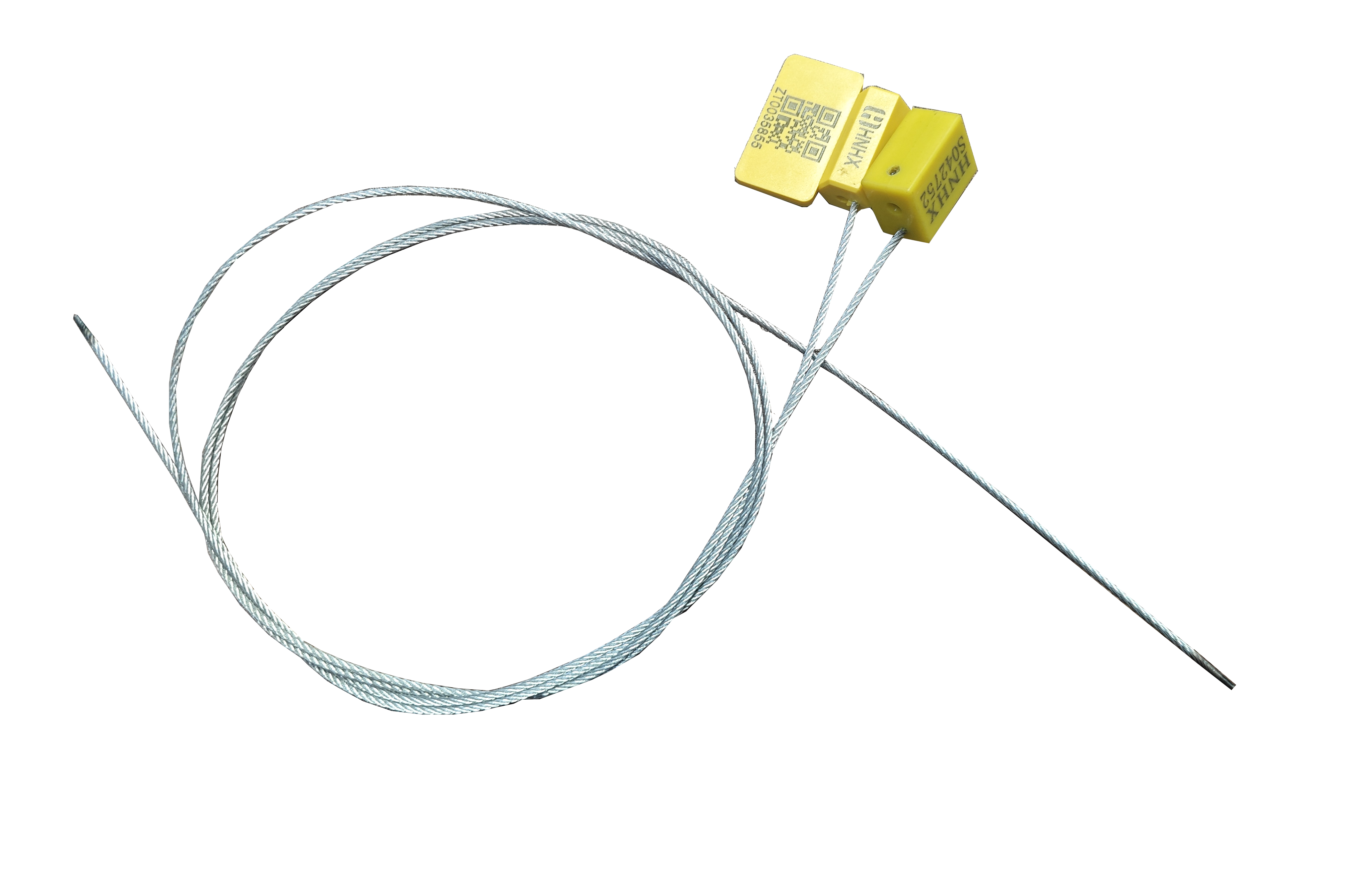
 RFID Lead SealRFID Lead Seal is a fusion of radio frequency identification (RFID) technology and traditional lead seal anti-theft, anti-counterfeiting function of intelligent sealing products. On the basis of retaining the core attribute of traditional lead seal "one-time blockade, destruction and warning", it realizes digital identification, automatic information collection and full life cycle traceability of sealed objects through RFID chips, and is widely used in scenarios with extremely high requirements for asset safety and process controllability, such as logistics transportation, energy metering, customs supervision, financial escort, etc.
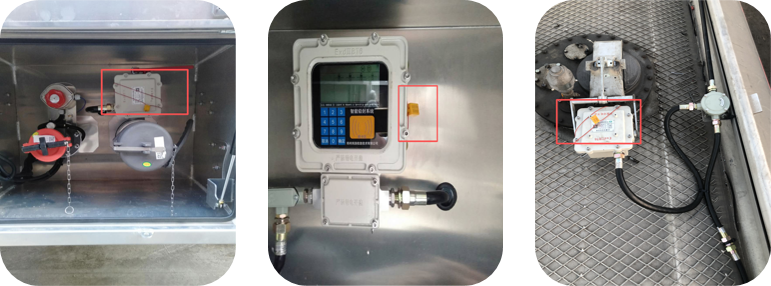
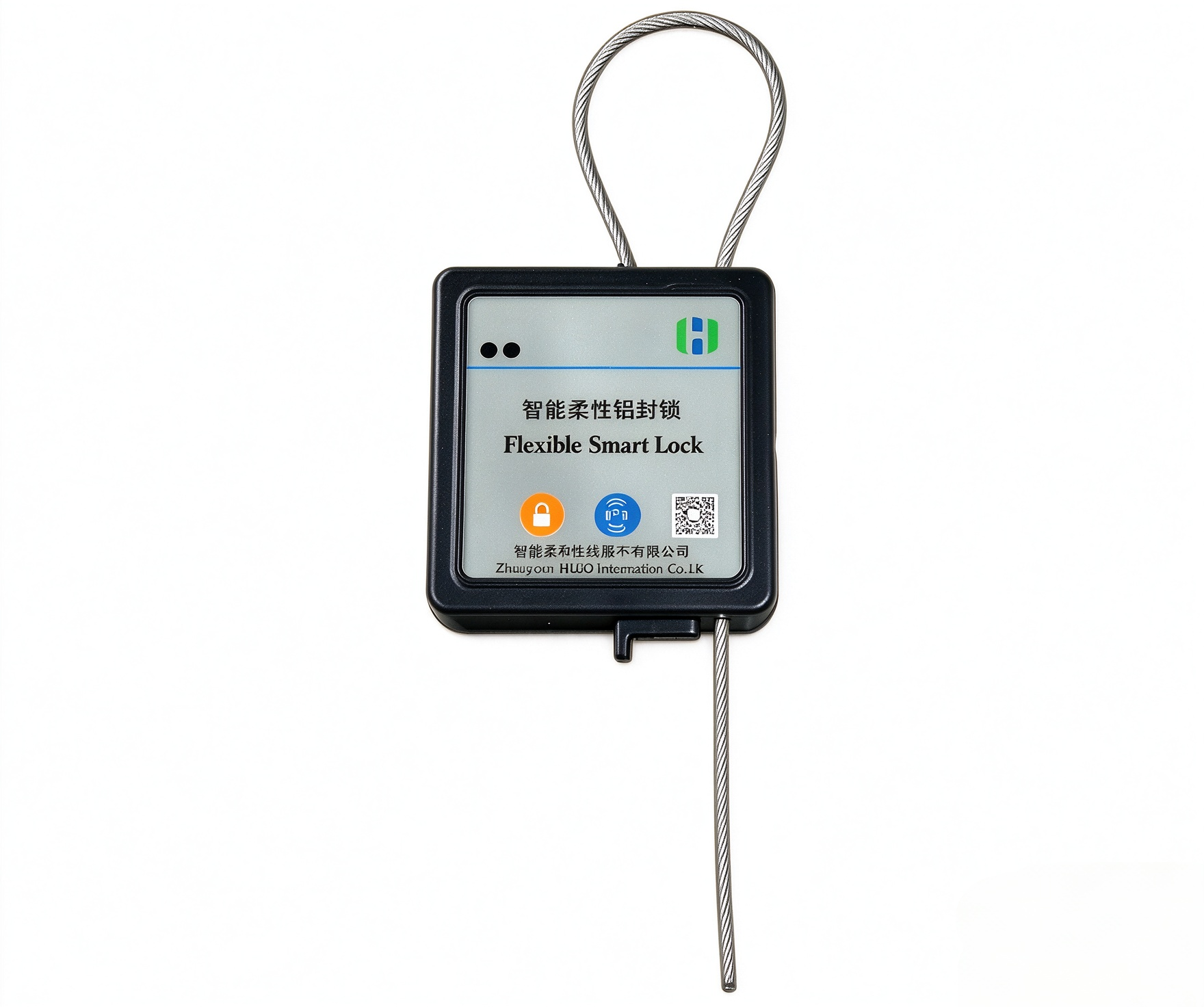
") Smart Flexible Lock(R1/R2)Mainly installed in areas such as tank truck side boxes, oil tank openings, and gas station oil unloading ports, it is an electronic lock based on technologies like the Internet of Things (IoT) and satellite positioning, used for safety supervision of cargo transportation as well as anti-counterfeiting and traceability. This lock is a keyless one, supporting GPS/Beidou positioning and 4G/Bluetooth/LoRa communication. It can be controlled via remote, mobile phone, or SMS, and can store 60,000 data records offline.
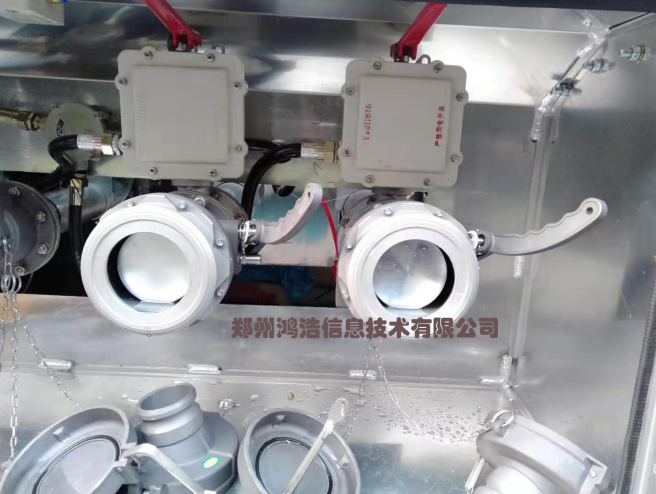
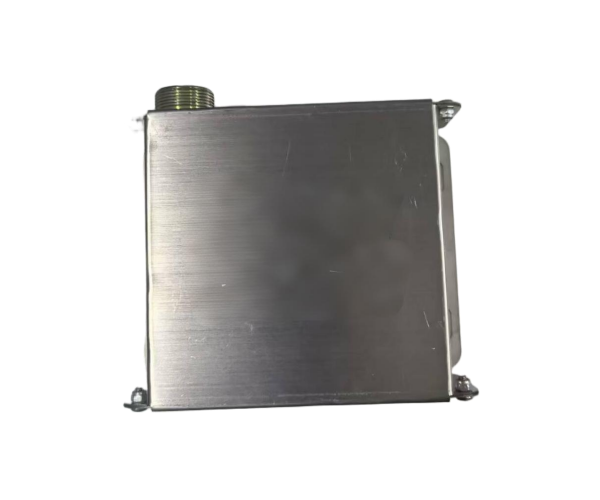
") Bottom Valve Lock(H10)Installed at the bottom valve on the bottom of the vehicle, it controls the opening and closing of the bottom valve via pneumatic means and works in coordination with the controller (Z10) through wired connection. It enables stable and efficient real-time monitoring of the status of the tank truck’s bottom valve and strong control over its opening and closing.
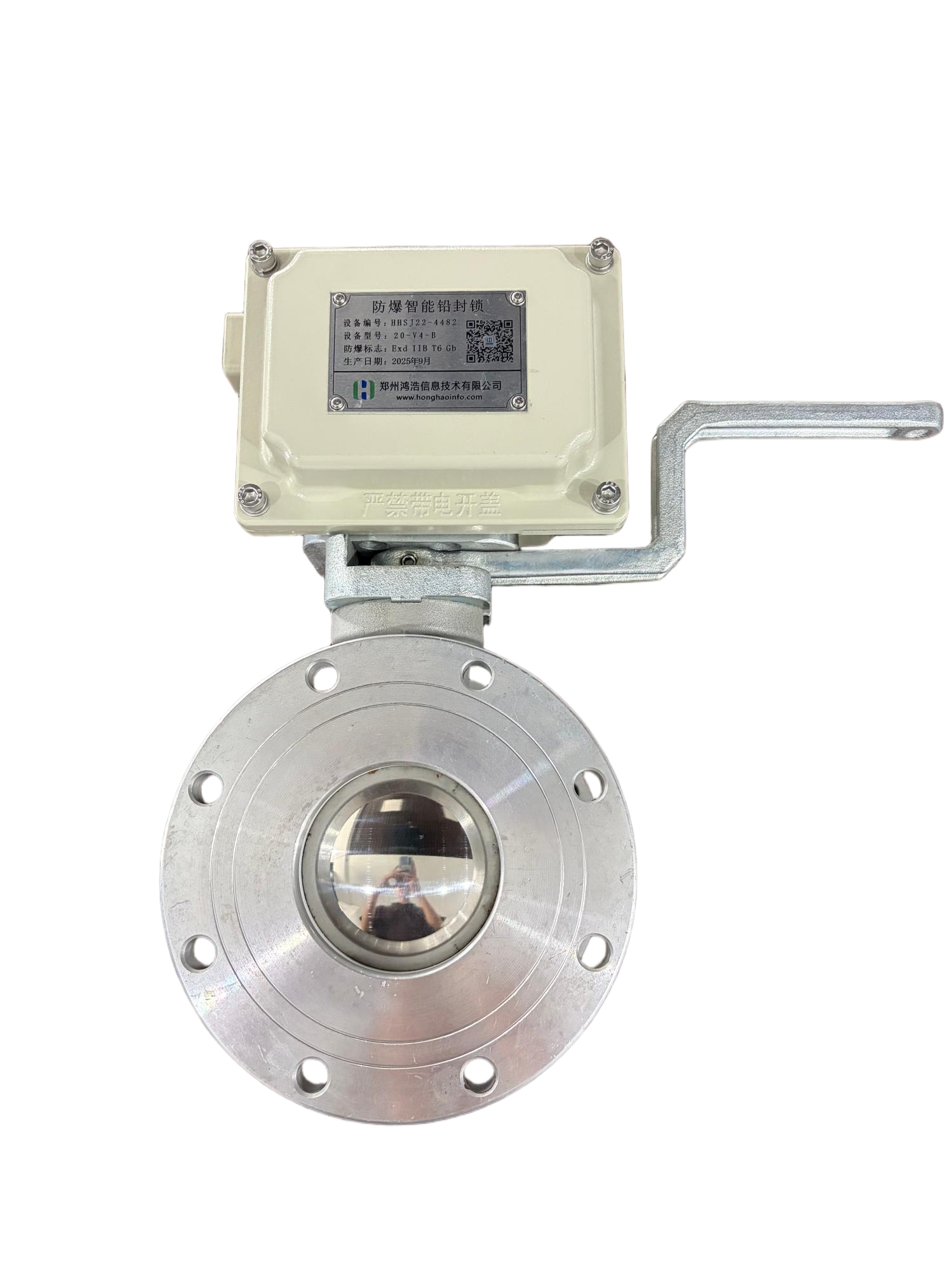
") API Ball Valve Lock(LD)Installed at the API oil unloading port on the bottom of the vehicle, it serves as the executive mechanism of the intelligent lead seal lock. It works in coordination with the controller (Z10) via wired connection, enabling stable and efficient monitoring of the status of the tank truck's oil unloading port and control of its opening and closing. This fundamentally solves the problems of traditional lead seals and other locks, such as being easy to copy, counterfeit, illegally replaced, and having unstable communication. Moreover, the intelligent valve lock can be customized according to the size of the oil unloading port.

First class quality service and professional after-sales team.
In order to provide you the suitable machine , pls offer below message for us
Get in Touch
We respect your confidentiality and all information are protected.