
What Tanker Management Means In 2026
Tanker Management is the coordinated control of tanker vehicles, cargo integrity, route execution, loading and unloading permissions, driver behavior, and emergency response across the full transport cycle. In hazardous chemical and fuel logistics, it combines field hardware, telematics, cloud software, and operating procedures so that every movement can be tracked, validated, and audited.
For IT teams, Tanker Management is a business-critical digital infrastructure layer rather than a simple fleet dashboard. It connects positioning data, electronic seals, geofencing, event logs, alert engines, and command workflows into one system. The objective is to reduce unauthorized access, route deviation, cargo loss, compliance gaps, and delayed incident response.
The scope usually includes transport safety, storage handoff visibility, proof of custody, and exception handling. In regulated operations, the system must preserve reliable records of who moved what, where it traveled, when it stopped, and whether the tank compartment or valve access was opened under approved conditions.
A modern definition of Tanker Management therefore spans physical security and digital governance. It is as much about trusted data and interoperable workflows as it is about the truck itself.
Why Traditional Methods Fall Short
Many tanker fleets still rely on manual seal checks, paper delivery confirmation, voice-based dispatching, and fragmented GPS tracking. These methods may support basic transport visibility, but they struggle to prove cargo integrity, enforce loading and unloading rules, or respond quickly when a vehicle deviates from an approved route.
The main weakness is that traditional control points are periodic, not continuous. A manager may know where a truck was at a checkpoint, yet still lack evidence about seal status, compartment access, unplanned stops, or whether unloading happened inside an approved geofence. That creates operational blind spots and slows investigation when disputes or incidents occur.
This is where Honghao Information becomes relevant for digital transformation projects. Its Tanker Truck Smart-monitoring System, GPS Smart Electronic Lock, intelligent wireless electronic seals, dynamic monitoring and emergency command platform, and hazardous goods telematics solutions are designed to connect cargo security with route intelligence and remote control logic.
Compared with stand-alone tracking devices, an integrated Tanker Management architecture gives IT teams a cleaner operating model. Hardware, positioning, alarms, seal events, and unlocking authority can be managed under one compliant digital framework, which is especially important for hazardous chemical transportation and fuel distribution programs.
Core Technologies And Operating Principles
At the device layer, Tanker Management systems use IoT terminals, electronic seals or locks, onboard communication equipment, and sensor-linked status collection. These devices capture location, motion, seal state, route events, and selected cargo-handling signals. Reliability in harsh operating environments matters, especially where vibration, weather, remote roads, and hazardous materials are involved.
At the positioning layer, multi-constellation satellite support improves availability and accuracy. Honghao Information highlights GPS, GLONASS, Galileo, and Beidou, which is useful for fleets crossing different geographies or operating in mixed signal conditions. Better positioning quality strengthens geofencing, stop analysis, route deviation alerts, and forensic review after an incident.
At the platform layer, cloud software ingests telemetry and turns it into rules and workflows. Common functions include automatic geo-fencing unlock and lock, emergency remote unlocking, alarm escalation, digital trip records, and exception dashboards. Big data analysis helps identify recurring risks such as unauthorized dwell time, route noncompliance, or repeated seal violations.
The security model should assume that Tanker Management data may become operational evidence. That means access control, audit trails, event timestamps, tamper awareness, and integration discipline are not optional. The more the platform influences release authority or emergency action, the more important those controls become.
Main Types Of Tanker Management Systems
The first common category is visibility-focused Tanker Management. These deployments emphasize live location, trip playback, stop monitoring, and route deviation alerts. They improve dispatch awareness but may offer limited control over physical cargo access unless paired with electronic sealing or lock mechanisms.
The second category is cargo-integrity-focused Tanker Management. Here the priority is anti-tamper control, custody validation, and controlled access to tank openings, valves, or loading points. Honghao Information’s tank truck intelligent electronic seal, upper and lower loading lock management, and anti-tamper sealing mechanisms fit this model well for hazardous chemical and fuel transport.
The third category is workflow-integrated Tanker Management, which links telematics with warehousing, fuel distribution, dispatch, and emergency command. In this model, vehicle movement, storage transfer, and delivery completion are managed as one chain. Honghao Information’s hazardous chemical warehouse safety management system, FDMS, and dynamic monitoring platform support this broader operational approach.
A fourth category is compliance-centered Tanker Management for enterprises operating across multiple countries or business units. These projects value standardized auditability, adaptable rules, and scalable deployment. They are often selected by organizations seeking one architecture that can support transport, storage, and incident workflows under consistent digital governance.
Who Needs It And Where It Delivers Value
Tanker Management is most relevant for fleet owners, 3PL operators, hazardous chemical carriers, fuel distributors, terminal operators, energy companies, and warehouse networks handling regulated liquids. It is also important for IT and digital operations teams that must standardize data flows between field equipment, command platforms, and enterprise systems.
Typical use cases include long-haul fuel movement, hazardous chemical line-haul transport, controlled depot dispatch, cross-border movements, and high-risk last-mile delivery. In these settings, the value comes from maintaining visibility and control between loading authorization and unloading confirmation, including proof that cargo access occurred only at approved locations and times.
Honghao Information states that it has served well-known enterprises in the chemical, logistics, warehousing, and energy industries, helping customers improve digital management, compliance, and safety standards. That experience matters because Tanker Management requirements differ widely between refinery supply, chemical distribution, warehouse transfer, and emergency response operations.
The geographical fit is also broad. Honghao Information notes exports to more than 30 countries and coverage across Europe, America, Southeast Asia, the Middle East, South Africa, and other regions. For buyers, this suggests practical value in selecting a system adaptable to varied transport rules, infrastructure conditions, and deployment scales.
How To Evaluate A Solution
Start with risk mapping rather than feature counting. Define the events your Tanker Management program must detect or prevent: unauthorized opening, route deviation, unplanned dwell, geofence breach, delayed delivery, disputed handoff, or emergency override. Then match those events to required hardware, data granularity, and response workflows.
Next, review the field architecture. Buyers should verify device durability, communications resilience, tamper resistance, remote management capability, and fit for hazardous environments. If the deployment includes electronic locks or seals, evaluate how the release logic works, how exceptions are logged, and how offline conditions are handled without weakening control.
Integration is the third checkpoint. A strong Tanker Management platform should support operational interoperability with dispatch, warehouse systems, ERP, fuel distribution workflows, and emergency command processes where needed. The goal is not just to collect data, but to make cargo status, route events, and access permissions actionable across departments.
Finally, assess vendor execution depth. Honghao Information’s combination of independent R&D, software and hardware manufacturing, system integration, and global operation support is relevant here. For complex fleets, fragmented sourcing often creates avoidable failure points between lock hardware, telemetry, software logic, and support accountability.
TCO, ROI, And Procurement Priorities
The total cost of ownership for Tanker Management includes device procurement, installation, connectivity, platform licensing, integration work, training, maintenance, and support. Buyers should also account for process redesign, because the value of digital seals and geofenced unlocking depends on whether operations teams actually adopt the new workflow.
The main ROI drivers are avoided loss and improved control. These may include lower cargo shrinkage, less fuel siphoning or pilferage, reduced manual checking time, fewer delivery disputes, stronger compliance records, and faster intervention during route or seal exceptions. In hazardous chemical logistics, a quicker response to abnormal events can also reduce operational disruption.
Procurement teams should resist choosing only on unit price. A lower-cost device can become expensive if positioning quality is weak, alarms are noisy, lock events are unreliable, or support is fragmented across vendors. In Tanker Management, system coherence often matters more than the least expensive hardware line item.
A practical buying approach is to run a phased rollout with measurable baseline metrics: route deviation frequency, unauthorized opening incidents, cargo loss, dwell time, and alert response time. That creates a defensible business case and helps IT teams tune the platform before wider deployment.
Future Trends IT Teams Should Track
By 2026, Tanker Management is moving from visibility to decision automation. More fleets will use rule engines that combine geofencing, cargo event logic, and remote authorization to reduce manual approvals. That shift increases consistency, but it also raises the bar for cybersecurity, auditability, and operational governance.
Another major trend is end-to-end cargo integrity. Buyers increasingly want a single chain of evidence from loading through transit to unloading, with trusted timestamps and tamper-aware events. Honghao Information’s positioning around end-to-end cargo visibility, fuel custody transfer monitoring, and real-time fuel tracking aligns closely with that market direction.
Expect broader use of unified safety platforms that cover transport, storage, and emergency command instead of treating them as isolated projects. This favors providers that can bridge IoT hardware, telematics, intelligent control, and cloud analytics under one operating framework for hazardous goods.
For IT teams planning now, the most durable Tanker Management investments will be those built for interoperability, policy control, and global adaptability. The market is not simply adding more tracking points. It is building accountable digital control systems for high-risk logistics.
 What is changing in tanker management systems this yearTanker Management is evolving fast this year, with smarter sensors, edge processing, tighter integration, and real-time event logic reshaping fleet safety, visibility, and control.
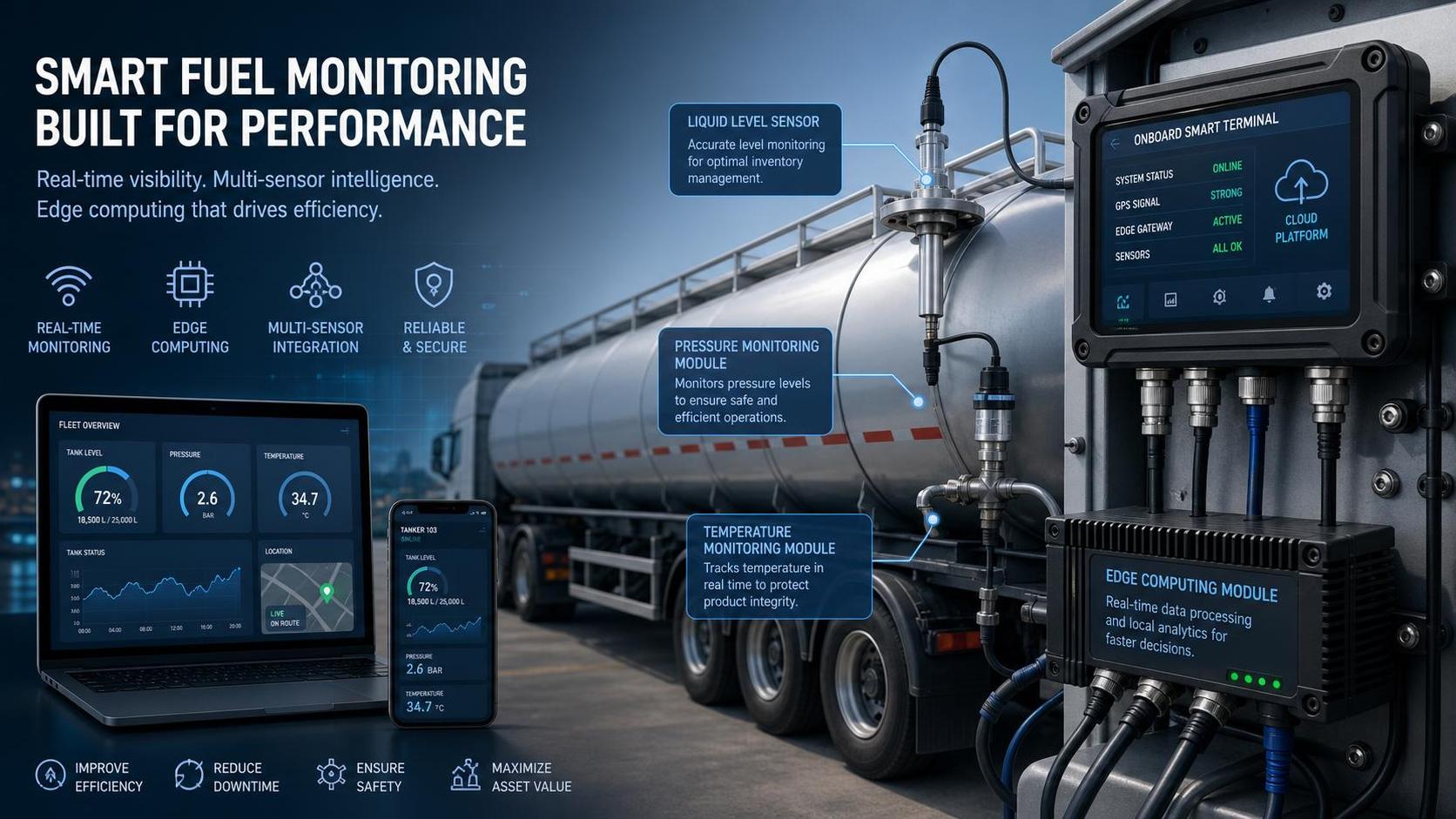
 Tanker Management Solution Architecture: From Sensor Data Acquisition to Centralized Dashboard AlertsTanker Management Solution architecture that delivers end-to-end reliability—from rugged edge sensing to auditable, AI-powered alerts—built for hazardous liquid transport.
 Tanker management trends shaping fuel transport security in 2026Tanker Management trends for 2026 reveal how IoT, resilient connectivity, cybersecurity, and 24/7 response strengthen fuel transport security and fleet continuity.
 When can a tanker management solution reduce dispatch delays?Tanker Management Solution reduces dispatch delays with real-time visibility, milestone tracking, and faster exception response. Discover how to improve fleet coordination.
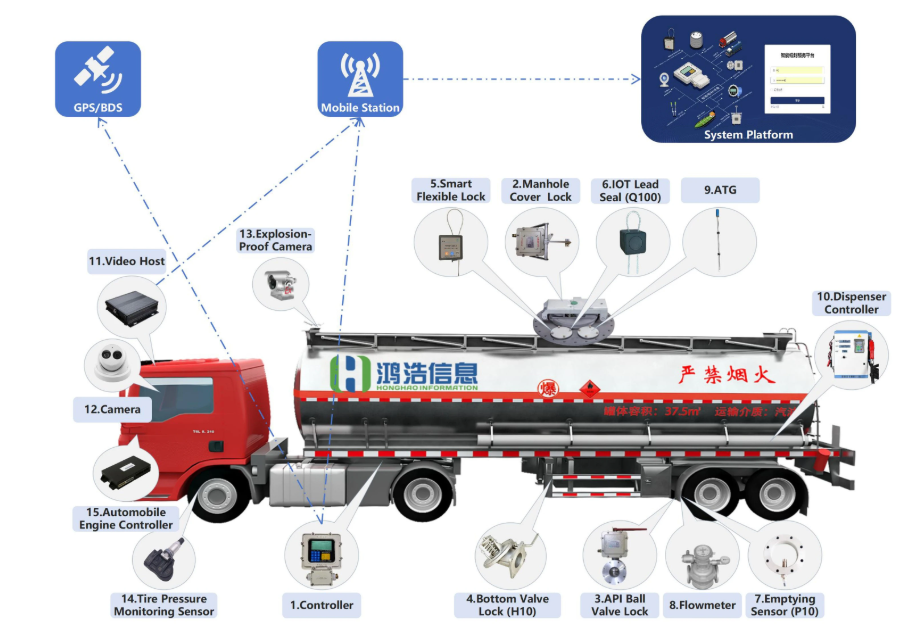
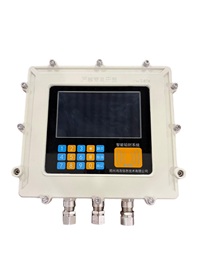
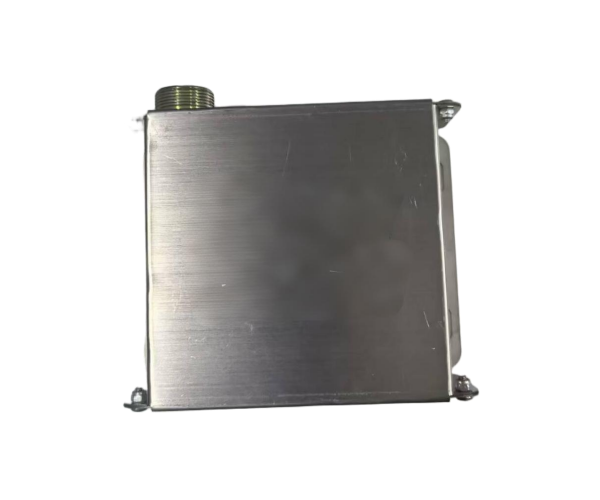
") Controller(Z10)Installed in easily accessible locations such as tank trucks and oil storage tanks, it serves as the on-vehicle edge computing terminal and control hub of the system. Equipped with built-in chips for computing, storage, positioning, and communication, it can conduct real-time communication with intelligent lock controls, liquid level meters, etc., receive and send instructions to other intelligent hardware, locate vehicles via Beidou/GPS, and perform data interaction with backend servers through wireless transmission networks. It features two operating modes: online and offline.
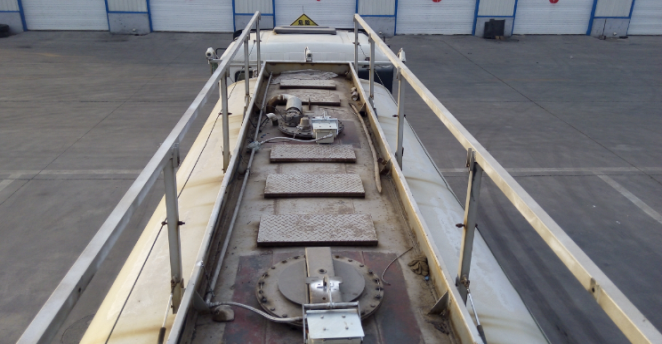
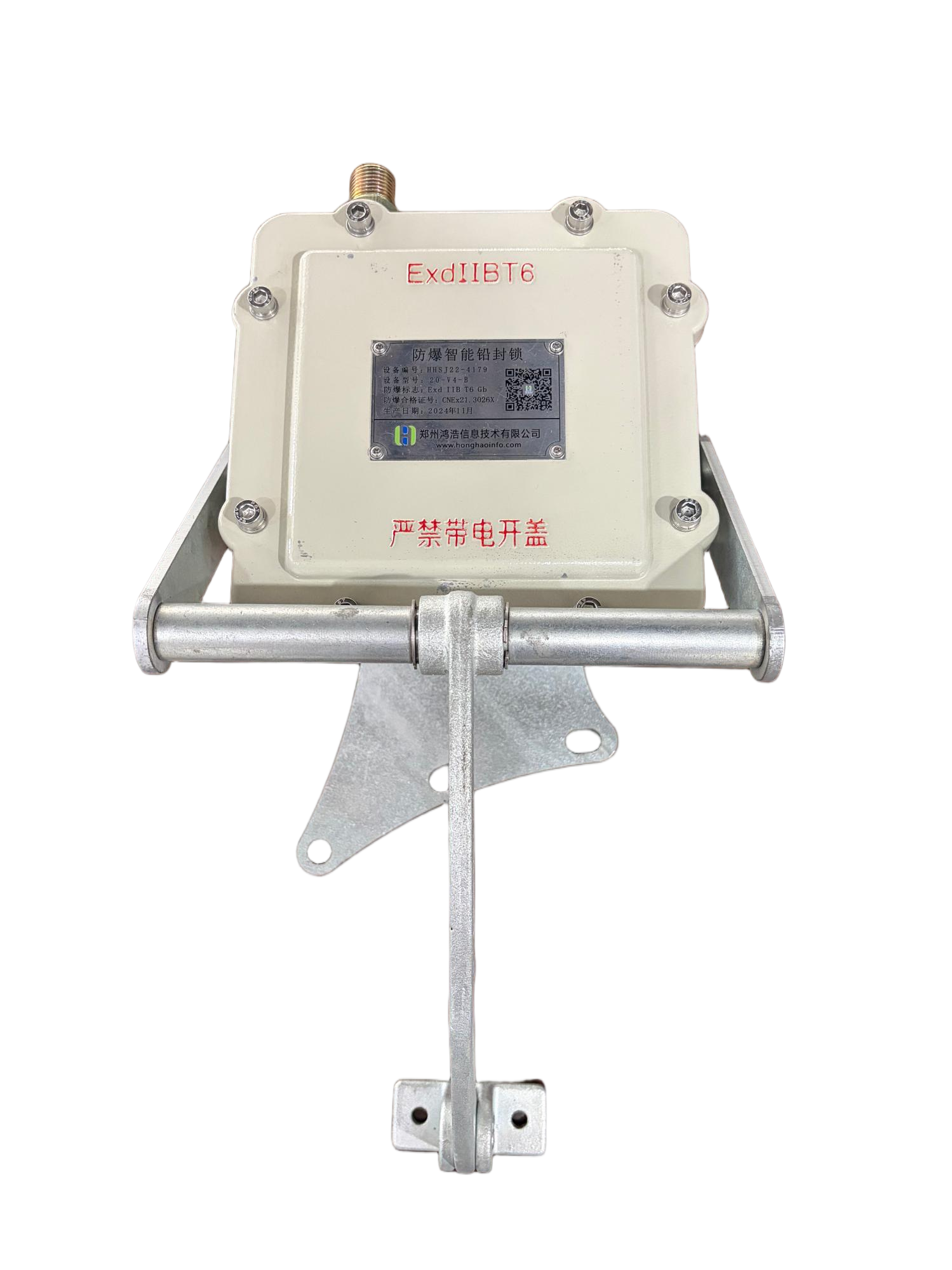
") Manhole Cover Lock(LU)Installed at the manhole cover on the top of the vehicle, it serves as the intelligent lead seal lock actuator and works in coordination with the controller (Z10) via wired connection. It can stably and efficiently monitor and control the status of the tank truck's manhole cover, fundamentally solving issues such as easy imitation, counterfeiting, illegal replacement of traditional lead seals and the like, as well as unstable communication. The device is safe, stable, and highly anti-interference, and can adapt to various harsh environments.
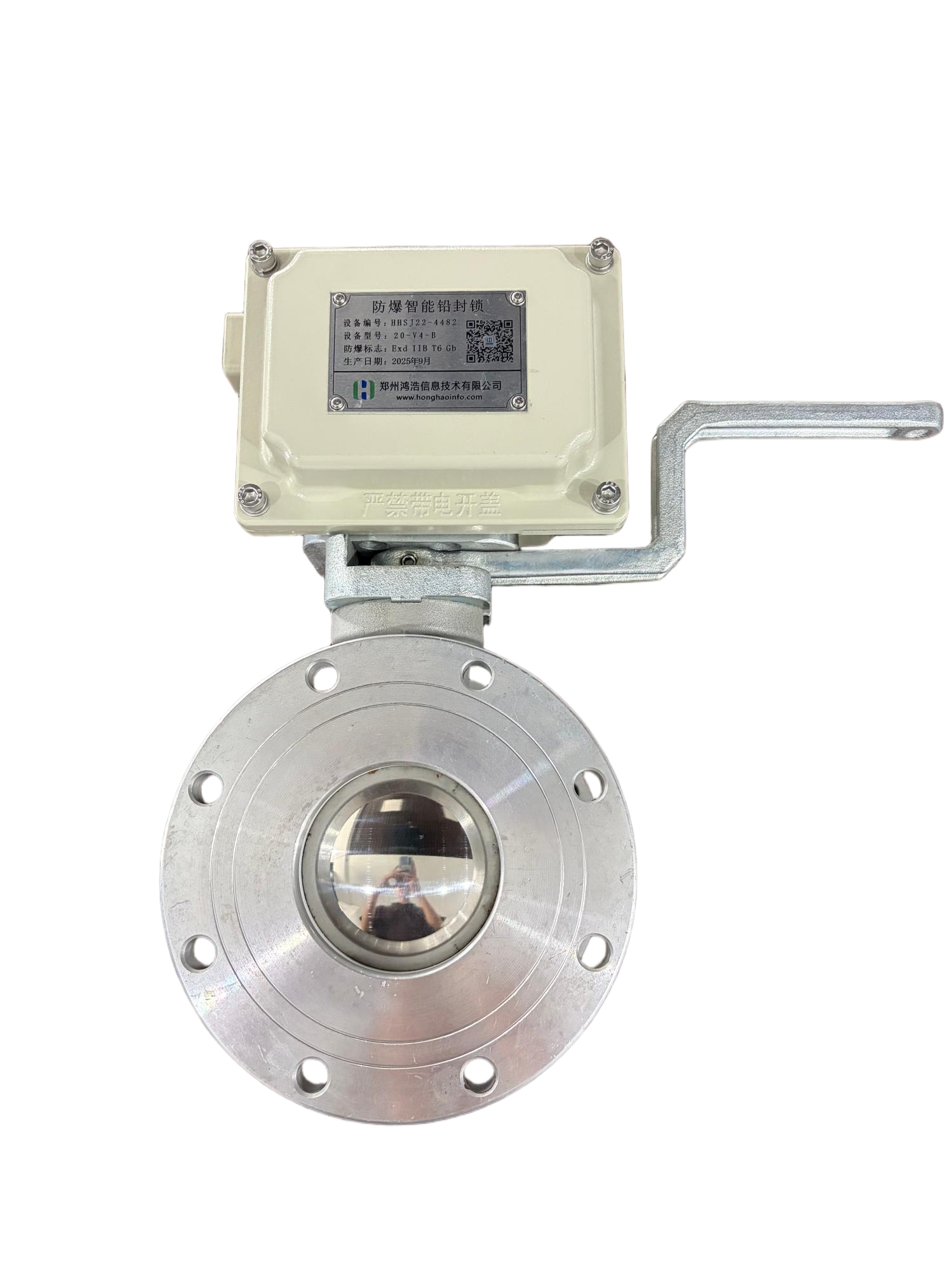
") API Ball Valve Lock(LD)Installed at the API oil unloading port on the bottom of the vehicle, it serves as the executive mechanism of the intelligent lead seal lock. It works in coordination with the controller (Z10) via wired connection, enabling stable and efficient monitoring of the status of the tank truck's oil unloading port and control of its opening and closing. This fundamentally solves the problems of traditional lead seals and other locks, such as being easy to copy, counterfeit, illegally replaced, and having unstable communication. Moreover, the intelligent valve lock can be customized according to the size of the oil unloading port.
") Bottom Valve Lock(H10)Installed at the bottom valve on the bottom of the vehicle, it controls the opening and closing of the bottom valve via pneumatic means and works in coordination with the controller (Z10) through wired connection. It enables stable and efficient real-time monitoring of the status of the tank truck’s bottom valve and strong control over its opening and closing.

First class quality service and professional after-sales team.
In order to provide you the suitable machine , pls offer below message for us
Get in Touch
We respect your confidentiality and all information are protected.