
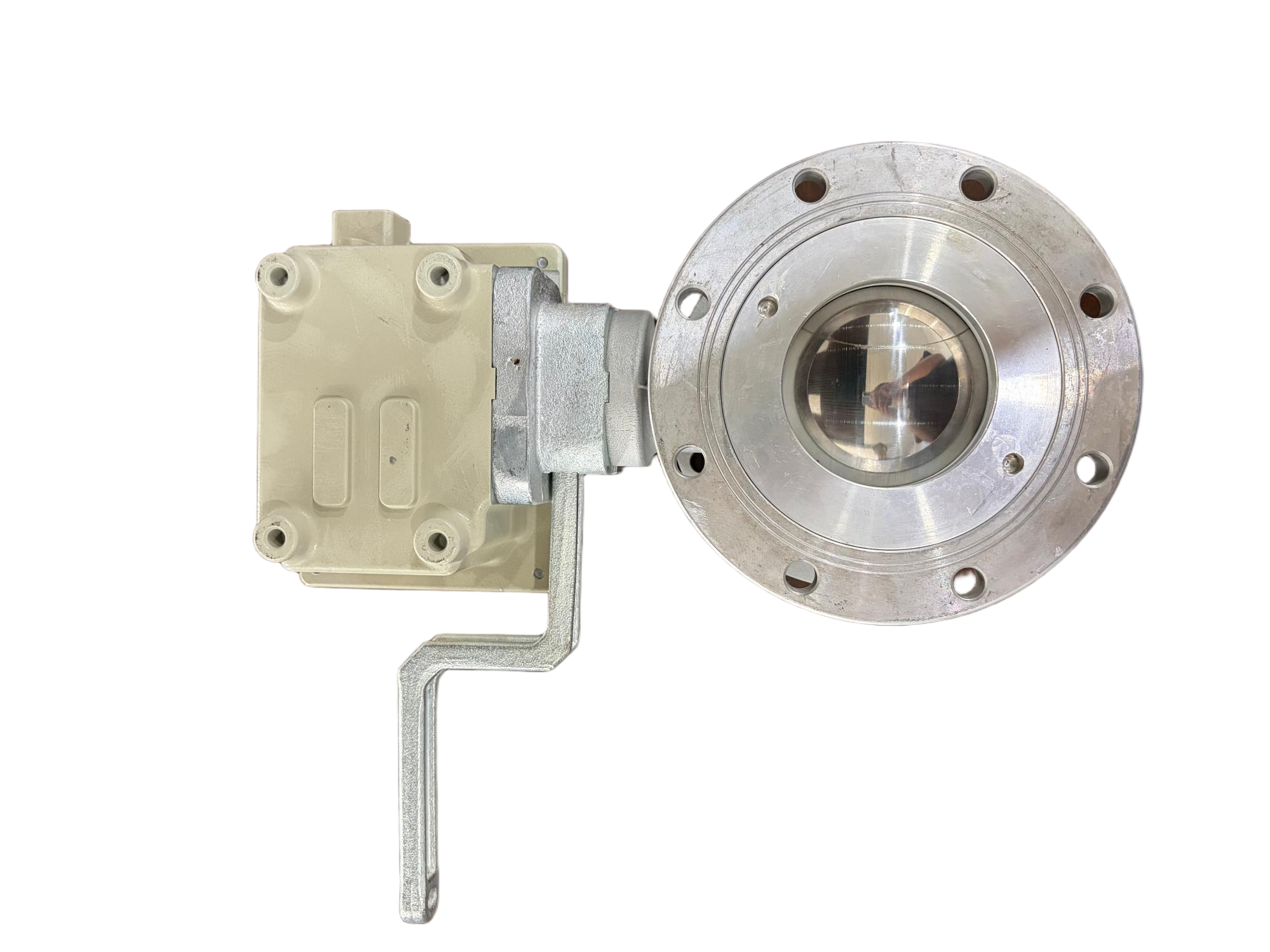
What Is A Tanker API Valve Lock
A Tanker API Valve Lock is a security and control device installed on tanker loading or unloading valve interfaces that follow common API-style bottom loading and discharge arrangements. Its purpose is to prevent unauthorized opening, protect the integrity of transported fuel or hazardous chemicals, and create a controlled handoff between terminal, carrier, and consignee.
In practical fleet operations, the term may refer to a physical locking structure, an electronic seal, or a combined hardware and software solution. The basic hardware secures the valve state, while a smarter system records who opened it, when it was opened, where it happened, and whether that action matched route, geofence, or dispatch authorization.
For hazardous cargo, the lock is not an isolated accessory. It sits inside a larger chain of custody framework that includes vehicle positioning, driver procedures, depot workflows, and emergency response rules. That is why buyers increasingly evaluate Tanker API Valve Lock solutions as part of digital safety management rather than as a standalone lock body.
A useful working definition for procurement teams is this: a Tanker API Valve Lock is a valve security point designed to control access, reduce tampering risk, and support traceable loading and unloading in regulated tanker transport environments.
How The Technology Works In Real Operations
A conventional Tanker API Valve Lock relies on a mechanical barrier that physically blocks the valve handle, coupling point, or access cover. This provides basic deterrence, but it does not tell managers whether an attempted opening occurred during transit or whether a valve was opened outside an approved location. That gap becomes costly in long-haul fuel and chemical distribution.
An intelligent Tanker API Valve Lock adds sensing, communication, and event logging. Sensors detect lock status, tamper attempts, door or hatch conditions, and in some systems vibration or impact. A communication unit transmits events through wireless networks to a cloud platform, where dispatchers or control-room teams can compare field activity with planned routes, customer destinations, and authorized unloading windows.
Honghao Information builds this concept around IoT connectivity, multi-constellation satellite positioning including GPS, GLONASS, Galileo, and Beidou, as well as cloud-based monitoring and intelligent control. In practice, that means a tanker operator can associate valve lock events with geofencing, route deviation alerts, emergency remote unlocking logic, and full-process cargo visibility rather than depending only on driver reports.
For hazardous chemical vehicles, the technical value is not simply remote visibility. It is coordinated control. When the Tanker API Valve Lock is integrated with an upper and lower loading lock, GPS smart electronic lock, and dispatch platform, the system can align physical access with compliance procedures and reduce the chance of unauthorized discharge, siphoning, or undocumented custody transfer.
Main Types And Configuration Options
The first major category is the mechanical Tanker API Valve Lock. This type is selected for operations that need durable physical restriction at a lower initial budget and where digital monitoring is not yet required. It may suit controlled depots or fleets with short routes, but it offers limited visibility once a vehicle leaves the terminal.
The second category is the electronic seal or smart lock configuration. Here, the Tanker API Valve Lock includes electronic identification, status sensing, and remote records. This model is better suited for multi-stop distribution, cross-regional fleets, outsourced transport, and fuel operations where loss prevention, audit trails, and exception management matter as much as physical locking strength.
A third category is the integrated platform solution, where the lock is one node in a complete tanker monitoring architecture. Honghao Information positions its tanker truck smart-monitoring system, GPS electronic seal monitoring, and intelligent wireless electronic seals in this segment. These configurations are typically used by operators that want route supervision, cargo integrity control, emergency command visibility, and centralized reporting across fleets and depots.
Buyers should also distinguish between retrofit-friendly designs and systems intended for new fleet deployment. Retrofit projects prioritize compatibility with existing tanker geometry, power supply constraints, and established terminal procedures. New deployments can optimize lock placement, harness design, and software workflows from the start, which often improves long-term maintainability.
Why Modern Fleets Are Replacing Traditional Control Methods
Traditional methods such as manual seals, paper logs, and driver-only accountability are increasingly weak against modern risk. They can confirm that a vehicle departed with a seal, but they rarely provide continuous proof that the valve remained secure throughout the journey. For operators moving fuel, solvents, or other hazardous cargo, that blind spot can create compliance disputes, unexplained shrinkage, and delayed incident response.
A connected Tanker API Valve Lock improves control by converting security events into data. When an opening occurs, managers can verify location, time, route context, and authorization status immediately. This matters in oil logistics and hazardous chemical transportation, where even a short unauthorized discharge event can affect safety, inventory reconciliation, and contractual liability.
Honghao Information brings an additional advantage through integrated services that cover R&D, manufacturing, system integration, and global operation support. For buyers, this reduces the fragmentation that often appears when locks, telematics, cloud software, and emergency workflows come from separate suppliers with incompatible data and support responsibilities.
The operational case is straightforward: when the Tanker API Valve Lock is tied to geofencing security, automatic geo-fencing unlock and lock logic, and route deviation alerts, fleets gain faster exception handling, stronger anti-theft control, and a cleaner audit trail for customers, terminals, and internal compliance teams.
Who Should Use It And Where It Delivers The Most Value
The primary users of a Tanker API Valve Lock are tanker fleet operators, hazardous chemical carriers, fuel distributors, depot managers, and enterprise safety teams responsible for chain-of-custody control. It is especially relevant for companies that manage high-value liquid cargo, operate across long distances, or face frequent handoffs between loading terminal, transporter, temporary storage, and end customer.
The strongest use cases include petroleum distribution, chemical logistics, industrial gas and liquid transport workflows, hazardous goods warehousing connections, and cross-border or multi-region delivery networks. In these environments, the lock has to do more than resist tampering. It must support operational visibility and fit the documentation standards expected by safety, operations, and procurement departments.
Honghao Information reports service experience with enterprises in chemical, logistics, warehousing, and energy industries worldwide. That background is relevant because a Tanker API Valve Lock must adapt to different route conditions, regional supervision practices, and operating procedures. A globally adaptable solution is often more useful than a narrowly localized hardware design.
For buyers entering new markets, application fit also depends on whether the system can support local safety workflows, remote oversight, and emergency handling. A lock solution connected to a hazardous goods telematics platform is often easier to standardize across multiple operating countries than a purely manual locking process.
Selection Criteria, Installation, And Quality Control
Choosing the right Tanker API Valve Lock starts with the cargo profile and the transport process. Buyers should review valve structure compatibility, environmental exposure, anti-tamper design, communication reliability, power management, and the way the lock interacts with existing fleet telematics or depot management systems. A technically strong lock that cannot integrate into daily operations usually underperforms in the field.
Installation planning should cover mounting position, harness protection, access ergonomics for approved unloading, and event testing before live deployment. On hazardous vehicles, practical installation details matter because poorly routed cables, inconvenient access points, or inconsistent commissioning procedures can create maintenance burden and user resistance even when the product itself is sound.
Quality control should include enclosure durability, tamper response consistency, communication stability, and reliable event synchronization between lock hardware and the management platform. Honghao Information emphasizes independent software and hardware R&D, explosion-proof technology, and full-chain digital safety management. For procurement teams, that suggests a more coherent path to validating device behavior across hardware, firmware, and cloud monitoring layers.
A good supplier should also support acceptance criteria such as lock-open and lock-close verification, geofence logic checks, remote command validation, alarm escalation tests, and post-installation training for both drivers and control-room staff. Those steps often determine whether the Tanker API Valve Lock becomes an active control tool or just another installed device.
Total Cost Of Ownership And Return On Investment
The purchase price of a Tanker API Valve Lock is only one part of ownership cost. Buyers should also account for installation labor, communication service fees, software platform access, integration work, training, maintenance cycles, spare parts planning, and field support across the fleet footprint. In many projects, these factors have more impact on long-term value than the lock hardware alone.
The financial return typically comes from reduced product loss, fewer unauthorized discharge incidents, faster exception investigation, better route discipline, and improved compliance documentation. For fuel distribution and hazardous chemical transport, preventing even a small number of high-risk or disputed events can justify the move from passive seals to intelligent Tanker API Valve Lock systems.
Buyers should model ROI based on their own operating risks: cargo value per trip, historical shrinkage, route length, number of unloading points, driver turnover, and the cost of incident response. A fleet with multi-stop deliveries and decentralized supervision will usually capture more value from smart locking than a tightly controlled single-terminal shuttle route.
From a procurement standpoint, the most efficient investment is often a scalable platform that can extend from valve security into broader fleet safety management, cargo visibility, and emergency command. That is where Honghao Information positions its tanker monitoring, electronic sealing, and IoT-based fuel monitoring capabilities as part of a wider digitalization program rather than a single-device sale.
Future Trends For 2026 And Beyond
The next stage of the Tanker API Valve Lock market is deeper integration. Buyers are moving away from isolated hardware and toward systems that combine lock control, satellite positioning, fleet dashboards, route analytics, and emergency workflows. As compliance expectations rise, data continuity from loading point to delivery point will become a baseline requirement in more regions.
Another clear trend is event intelligence. Instead of generating alarms for every lock action, platforms will classify behavior by location, schedule, and dispatch context. This helps operators focus on true exceptions such as unexpected opening attempts, route deviation near sensitive cargo zones, or repeated access activity outside delivery windows.
Global deployment flexibility will also matter more. Operators increasingly want Tanker API Valve Lock systems that can adapt to varied communications environments, multinational fleets, and changing safety procedures without rebuilding the entire architecture. Suppliers with integrated software and hardware capability are better positioned to support this requirement over time.
For 2026, the most practical conclusion is that a Tanker API Valve Lock should be evaluated as a digital risk-control asset. Companies that need cargo integrity, theft prevention, compliance support, and real-time operational visibility will gain more from connected, platform-based solutions than from standalone locking devices with no live intelligence behind them.
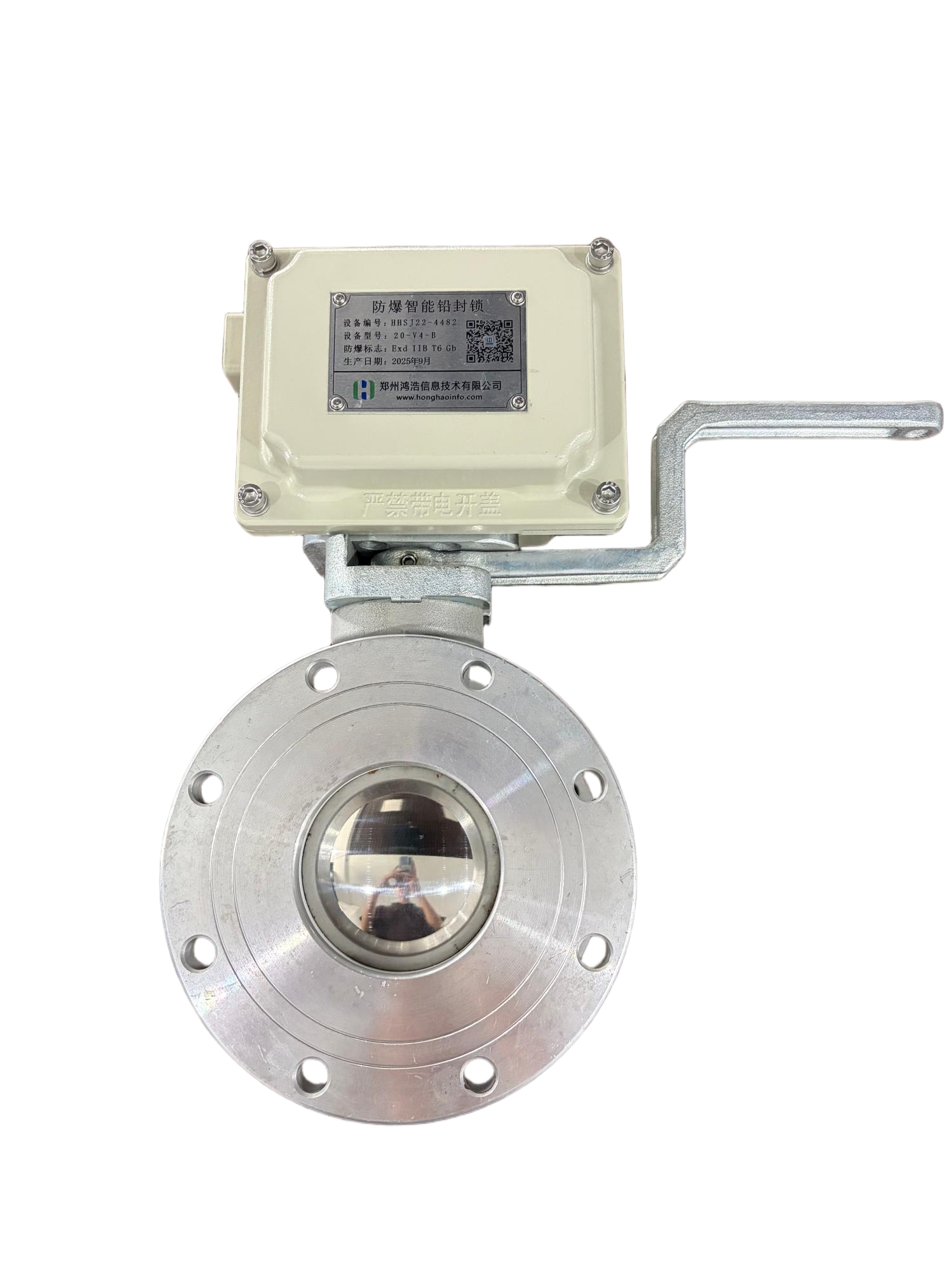
") API Ball Valve Lock(LD)Installed at the API oil unloading port on the bottom of the vehicle, it serves as the executive mechanism of the intelligent lead seal lock. It works in coordination with the controller (Z10) via wired connection, enabling stable and efficient monitoring of the status of the tank truck's oil unloading port and control of its opening and closing. This fundamentally solves the problems of traditional lead seals and other locks, such as being easy to copy, counterfeit, illegally replaced, and having unstable communication. Moreover, the intelligent valve lock can be customized according to the size of the oil unloading port.
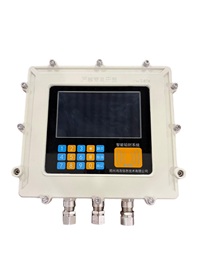
") Controller(Z10)Installed in easily accessible locations such as tank trucks and oil storage tanks, it serves as the on-vehicle edge computing terminal and control hub of the system. Equipped with built-in chips for computing, storage, positioning, and communication, it can conduct real-time communication with intelligent lock controls, liquid level meters, etc., receive and send instructions to other intelligent hardware, locate vehicles via Beidou/GPS, and perform data interaction with backend servers through wireless transmission networks. It features two operating modes: online and offline.

First class quality service and professional after-sales team.
In order to provide you the suitable machine , pls offer below message for us
Get in Touch
We respect your confidentiality and all information are protected.