
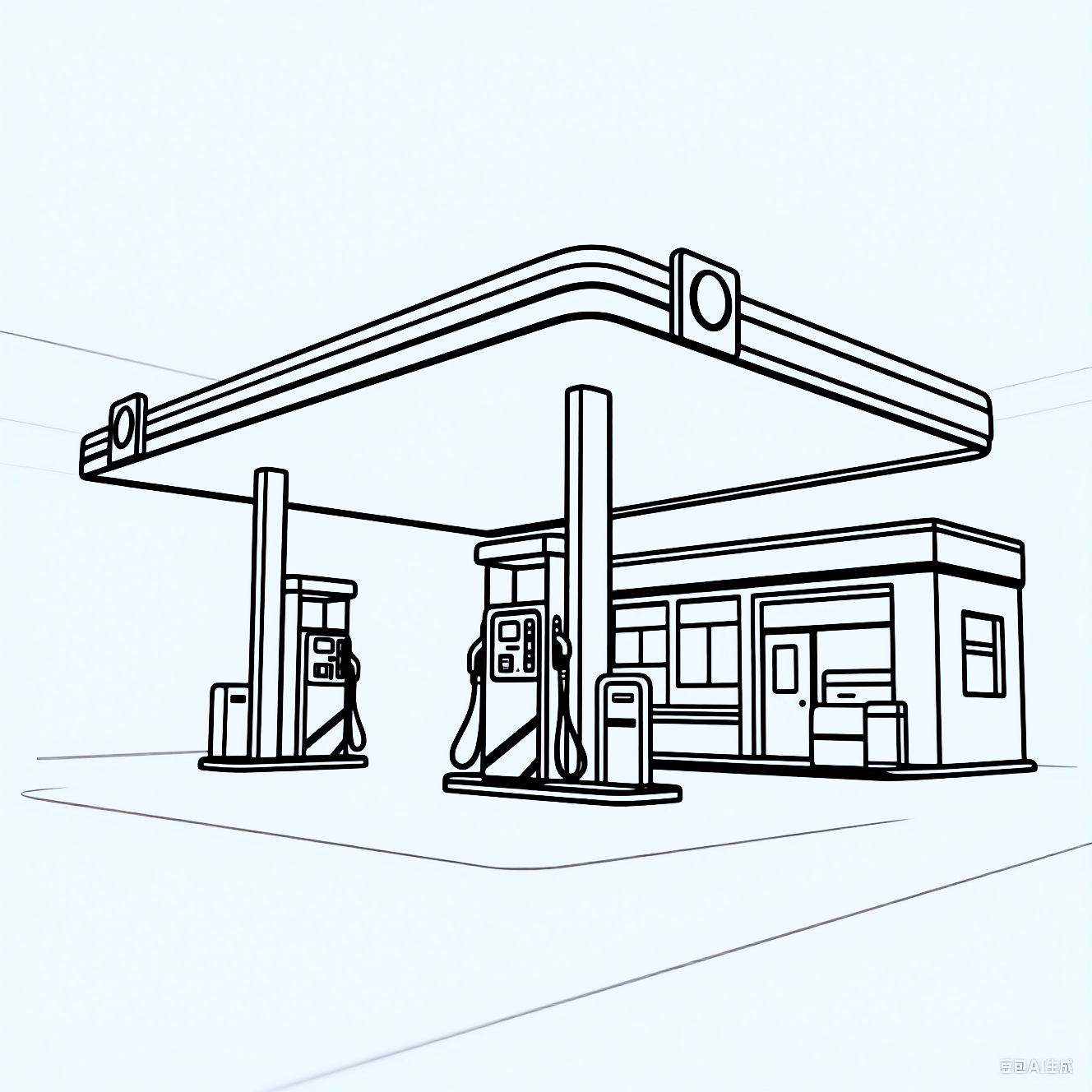
What Is Gas Station IoT Fuel Monitoring?
Gas Station IoT Fuel Monitoring is an integrated operational intelligence system that combines wireless sensor networks, multi-constellation GNSS (GPS/GLONASS/Galileo/Beidou), explosion-proof electronic seals, cloud analytics, and telematics to monitor fuel volume, temperature, pressure, flow rate, and physical seal status across underground tanks, transport tankers, and dispensing points in real time.
Unlike legacy manual dipstick checks or isolated SCADA systems, modern Gas Station IoT Fuel Monitoring enables automated custody transfer validation, geo-fenced loading/unloading enforcement, tamper-proof electronic sealing, and AI-driven anomaly detection—ensuring chain-of-custody integrity from refinery to retail pump.
It forms the technical backbone of Fuel Distribution Management Systems (FDMS), supporting regulatory compliance (e.g., EPA, ATEX, ISO 80079-36), shrinkage control, theft prevention, and dynamic route optimization for tanker fleets serving gas stations globally.
Why It Matters For Digital Oil Logistics
Traditional fuel monitoring relies on periodic manual checks—prone to human error, delay, and data silos. Gas Station IoT Fuel Monitoring eliminates blind spots through continuous, encrypted telemetry, reducing fuel shrinkage by up to 40% and cutting reconciliation time from hours to seconds.
HUGO Information’s solution adds mission-critical layers: explosion-proof GPS electronic seals with automatic geofencing lock/unlock, real-time route deviation alerts, and emergency remote unlocking—all compliant with IECEx and ATEX Zone 1 standards. This transforms passive reporting into proactive risk mitigation.
For computer hardware, software, and services providers, Gas Station IoT Fuel Monitoring represents a convergence of industrial IoT, secure edge computing, and domain-specific telematics—where reliability, certification readiness, and global interoperability define competitive differentiation.
Who Benefits From Deployment?
Primary adopters include national fuel retailers operating multi-site station networks, third-party logistics providers managing dedicated tanker fleets, and government-regulated petroleum storage terminals requiring audit-ready custody transfer logs.
Secondary stakeholders encompass insurance underwriters assessing fleet risk profiles, regulatory agencies enforcing environmental and safety mandates, and ERP integrators seeking certified API endpoints for SAP S/4HANA or Oracle Cloud SCM modules.
HUGO Information serves over 30 countries—including EU member states, UAE, Vietnam, South Africa, and Brazil—with localized firmware, multilingual dashboards, and regional certification support (CE, FCC, RCM, SONCAP), making its Gas Station IoT Fuel Monitoring platform adaptable across diverse regulatory landscapes.
Where And When It Delivers Maximum Impact
Real-world deployments show highest ROI during high-risk operational phases: post-refinery loading, cross-border transit, depot unloading, and overnight station inventory handover. In Southeast Asia, HUGO’s Tanker Truck Smart-monitoring System reduced pilferage incidents by 92% across 172 rural gas stations within 11 months.
In Europe, integration with EN 15223-compliant FDMS enabled automatic VAT reporting and eliminated manual customs declarations for intra-EU fuel movements. Emergency remote unlocking functionality activated during extreme weather events in the Middle East ensured uninterrupted supply despite road closures.
These cases confirm that Gas Station IoT Fuel Monitoring isn’t just about measurement—it’s about enforceable process control, regulatory evidence generation, and resilient supply chain continuity.
How HUGO Builds Trust Through Engineering Rigor
HUGO Information’s Gas Station IoT Fuel Monitoring hardware undergoes dual-stage validation: functional testing under simulated ATEX Zone 1 conditions (−40°C to +70°C, 95% RH) and electromagnetic compatibility verification per IEC 61000-6-3/4. All electronic seals feature patented anti-tamper mechanisms with cryptographic key rotation and tamper-event memory logging.
Software follows ISO/IEC 27001-aligned SDLC, with containerized microservices deployed on certified cloud infrastructure. Each system includes embedded OTA update capability, zero-touch provisioning, and configurable alert thresholds aligned to local regulatory thresholds (e.g., ±0.5% volume variance).
Installation requires no station downtime: wireless ultrasonic tank sensors mount externally; GPS electronic seals integrate with existing loading arms; and cloud dashboards deploy via SSO-enabled enterprise SAML authentication—ensuring rapid, low-friction adoption.
How Much Does True Operational Visibility Cost?
Total Cost of Ownership (TCO) for Gas Station IoT Fuel Monitoring spans hardware amortization (3–5 years), cellular/Mesh connectivity fees, cloud service subscriptions, cybersecurity audits, and internal staff training. HUGO’s modular architecture allows phased rollout—starting with tank-level monitoring, then adding tanker telemetry, followed by seal-integrated custody transfer—reducing upfront CAPEX by 35%.
ROI manifests in quantifiable savings: 12–18 months payback from shrinkage reduction alone (average $18,000/year per station); 30% lower labor cost for inventory audits; and 60% faster incident response via real-time geofence breach alerts. Customers report 22% improvement in fleet utilization efficiency after FDMS integration.
With global distribution, certified hardware, and full-stack support—from R&D to field service—HUGO Information ensures predictable TCO scaling across 10–10,000+ station portfolios, backed by SLA-governed uptime (99.95%) and 24/7 multilingual technical assistance.
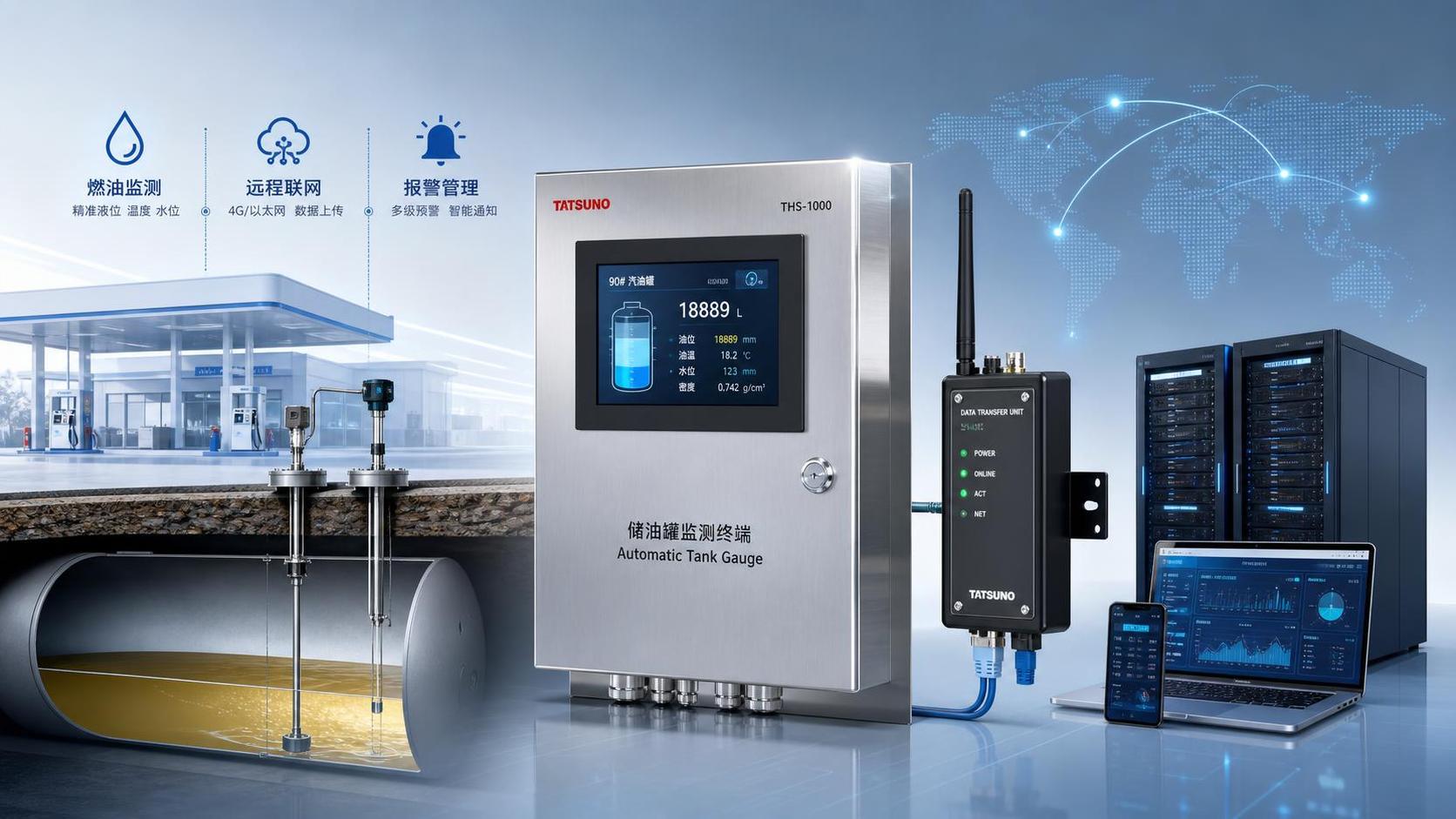
![]() What Is Gas Station IoT Fuel Monitoring and How Does It Work?Gas Station IoT Fuel Monitoring replaces manual dipping with real-time sensors, cloud analytics, and automated alerts to prevent outages, detect leaks, and optimize inventory. Learn how Zhengzhou HUGO's Receiving Terminal (Z20) scales from single sites to large depots with offline storage, 256-device support, and 4G/5G connectivity.
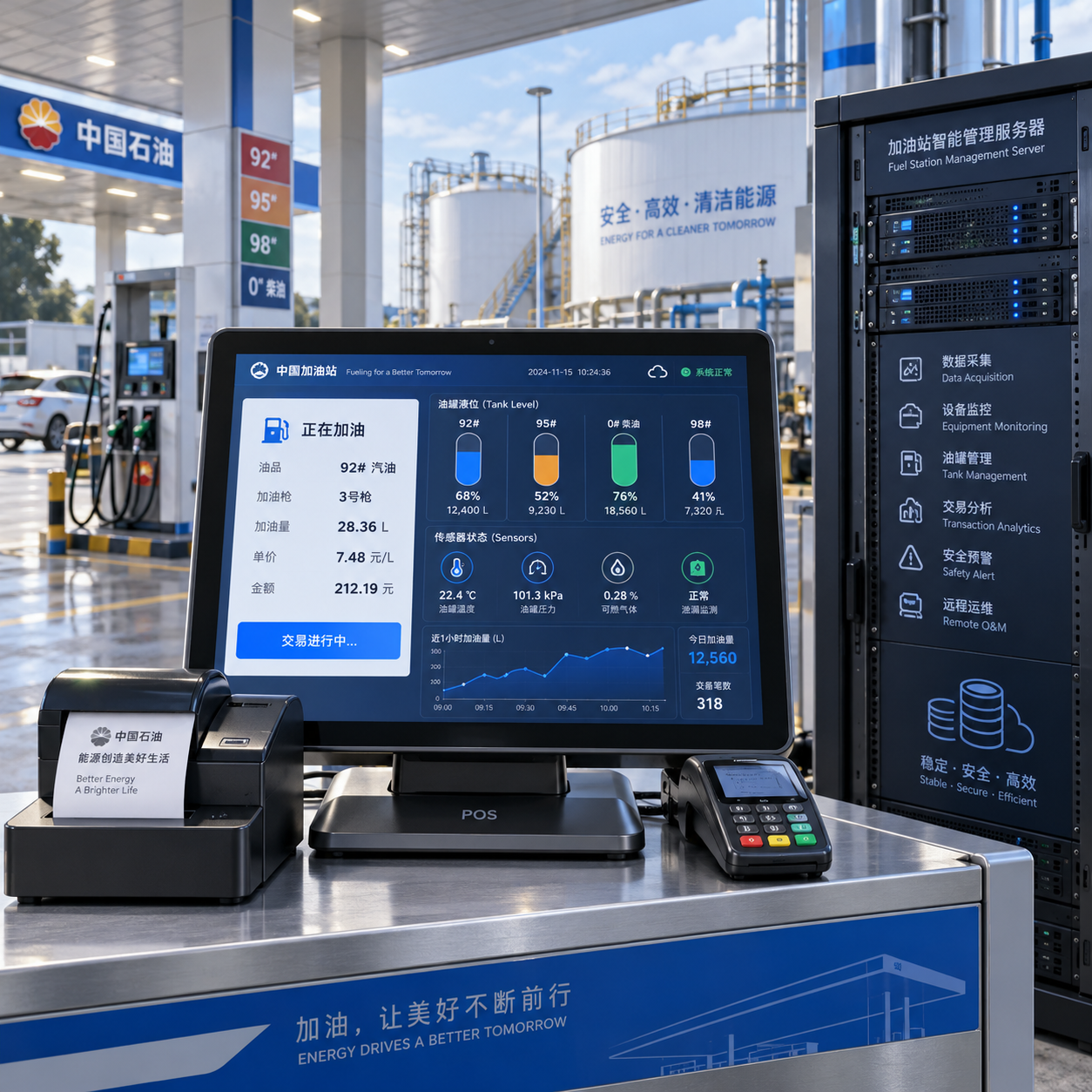
 Integrating Gas Station IoT Fuel Monitoring with POS and Back-Office SystemsGas Station IoT Fuel Monitoring integrated with POS and back-office systems improves reconciliation, reduces fuel loss, strengthens security, and enables smarter multi-site operations.
 5 Cost-Saving Benefits of Implementing IoT Fuel Monitoring in Gas StationsDiscover how Gas Station IoT Fuel Monitoring from Zhengzhou HUGO cuts costs. This article explores 5 key benefits for procurement, including reduced shrinkage, optimized logistics, and data-driven negotiations. Learn how to boost your station's bottom line and gain a competitive edge with real-time inventory control and predictive maintenance.
 How IoT fuel monitoring detects unexplained losses at gas stationsGas Station IoT Fuel Monitoring detects unexplained losses in real time, helping stations prevent leaks, theft, delivery variances, and costly compliance risks.


First class quality service and professional after-sales team.
In order to provide you the suitable machine , pls offer below message for us
Get in Touch
We respect your confidentiality and all information are protected.